Rethinking Natural Products: What’s Next for Nature-Inspired Drug Discovery?

Introduction. Nature has been humanity’s pharmacy for millennia—think traditional herbal remedies, or blockbuster drugs like morphine and quinine. However, in recent decades, drug discovery focused has on alternative lead discovery methods and engineered biologics. In our new review (January 2014–June 2025) published in Natural Product Reports we ask: what is the current role of natural-product-derived (NP-D) compounds in drug approvals and clinical pipelines?

Link: https://doi.org/10.1039/D5NP00031A
The Big Picture:
– We identified 58 NP-related drugs launched globally between January 2014 and June 2025 (45 NCEs and 13 ADCs).
– Between 2014 and 2024, of the 579 drugs approved globally (388 NCEs, 191 NBEs) we found 56 (≈ 9.7 %) could be classified as NP or NP-D drugs.
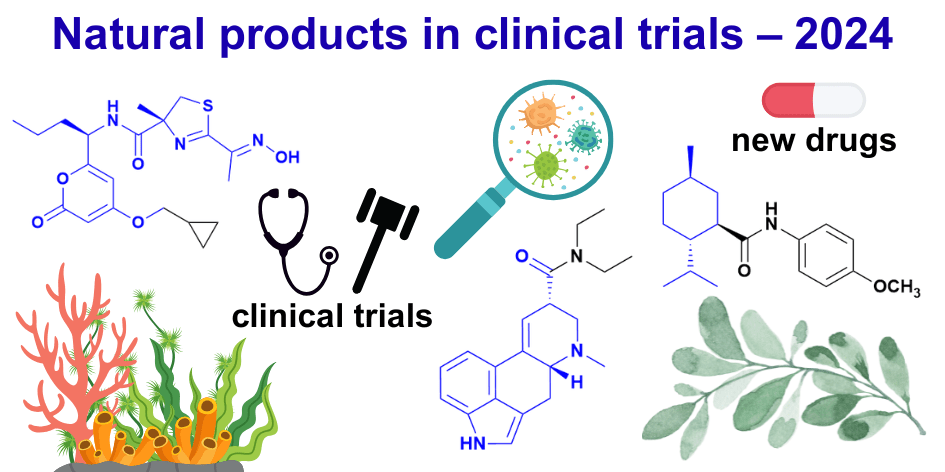
– At the end of December 2024, there were 125 NP or NP-D compounds undergoing clinical trials or in the registration phase, including 33 new pharmacophores not previously seen in approved drugs. However, only one of these new pharmacophores in active clinical development has been discovered in the last 15 years.

Key Take-aways.

(1) Despite the decline in emphasis on natural products, they still contribute meaningfully (~10 %) to approved drugs.

(2) The pipeline is active—but innovation (in terms of new pharmacophores) is slow. – To unlock future NP-derived success, renewed emphasis on bioassay-guided isolation and mode-of-action elucidation is needed.

Why it Matters. For researchers, entrepreneurs and policymakers: natural products offer chemical diversity and biological relevance that synthetic libraries often struggle to match. Our review suggests that while NP-D compounds aren’t dominating the field, they remain a valuable strategic option. Re-investing in the foundational work (isolation, mechanism, natural-source exploration) could yield the next generation of breakthrough therapeutics.

Looking Ahead:

(1) Better integration of genomics, metabolomics and modern analytics with natural product discovery.

(2) Strategic partnerships between academia, industry and natural-source repositories to accelerate NP pipelines.

(3) Encourage early-phase investment in NP scaffolds and biologically-rich extracts.

(4) Further integration of machine learning, genomics, metabolomics and modern analytics with NP discovery.

Conclusion. Nature still holds surprises—and in the era of multi-drug resistant pathogens, complex diseases and the need for new therapeutic modalities, NP-derived drugs will continue to play an important role for the foreseeable future. I hope this review spurs renewed interest, investment and collaboration across the NP drug discovery ecosystem.
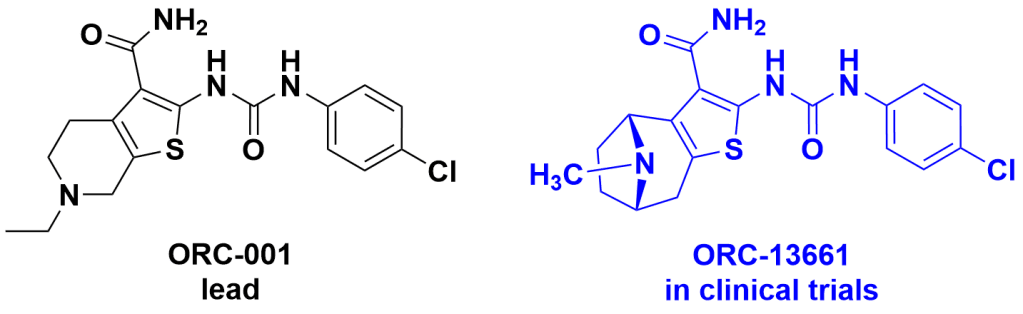
Hear, hear! Discovery and development (to date) of ORC-13661

A clinical candidate being evaluated for aminoglycoside ototoxicity

You never know what you will find in the literature. A search for new antibacterials that have entered clinical trials identified ORC-13661, which I had not previously heard of. Despite being involved with antibacterial R&D for many years, I knew little about drugs being developed to help reduce hearing loss.

Background. Although aminoglycoside antibiotics have broad spectrum activity against most pathogens, their use is usually restricted due to potential side effects that include ototoxicity (irreversible hearing and balance problems) and nephrotoxicity (kidney damage). This is also ototoxicity issues with other drugs such as anticancer drug cisplatin. Therefore, therapies that could be co-administered with any potential ototoxic drugs could significantly reduce or even eliminate hearing loss. A review of hearing loss treatments currently in development and future perspectives was recently published for those interested.1

Discovery of ORC-13661 and proposed mechanism. Researchers at The University of Washington used a zebrafish neuromast hair cell protection assay to look for compounds that protect these mechanosensory hair cells in free-swimming larvae against aminoglycoside (neomycin)-induced cell death.2 These cells are very sensitive to aminoglycoside associated damage or death and can be used to identify both enhancers and suppressors of ototoxic activity. One of the small molecules identified in the zebrafish screen was the thiophene-urea carboxamide ORC-001. Although ORC-001 was active in an in vivo aminoglycoside-induced hearing loss rat model, improvements were required in solubility, oral bioavailability, and half-life, as well as reduced hERG inhibition. Additionally, ORC-001 exhibited gradual partial air mediated oxidation, which is not ideal for a potential drug. As part of this study, over 400 analogues, including amines and quaternary ammonium salts, were synthesised, and evaluated in the zebrafish assay with ORC-13661 chosen for clinical development (US9,493,482 patent). Further studies showed that ORC-13661 was able to protect sensory hair cells from aminoglycoside and cisplatin ototoxicity in in vitro and in vivo studies.3,4 The mechanism by which ORC-13661 reduces cell toxicity is based on direct competition with aminoglycosides for access to the mechanoelectrical transducer (MET) channel, and for cisplatin by a MET-dependent mechanism.3

Clinical development of ORC-13661. The University of Washington licensed ORC-13661 to Oricula Therapeutics (Seattle, WA, USA), who announced the successful completion of a phase-I ascending dose safety study in August 2018. Oricula licensed ORC-13661 to Decibel Therapeutics (Boston, MA, USA; development code DB-041) in September 2018, but no further clinical evaluation was undertaken. However, a new phase-II trial (NCT05730283) was recently registered by the Oregon Health and Science University, which is scheduled to start in mid-2024. This trial will evaluate whether hearing loss can be prevented in patients with non-tuberculosis Mycobacteria (NTM) infections undergoing treatment with intravenous (IV) amikacin (aminoglycoside). It will be interesting to follow this trial and others in the hearing loss area.

References.

  1. Joey Lye et al., Recent therapeutic progress and future perspectives for the treatment of hearing loss, Biomedicines, 2023, 11, 3347.
  2. Sarwat Chowdhury et al., Phenotypic optimization of urea−thiophene carboxamides to yield potent, well tolerated, and orally active protective agents against aminoglycoside-induced hearing loss, J. Med. Chem., 2018, 61, 84−97.
  3. Siân R. Kitcher, et al. ORC-13661 protects sensory hair cells from aminoglycoside and cisplatin ototoxicity. JCI Insight, 2019, 4, e126764.
  4. Joseph A. Bellairs et al., An in vivo biomarker to characterize ototoxic compounds and novel protective therapeutics, Front. Mol. Neurosci., 2022, 15, 944846.

Ceftobriprole medocaril – background, FDA approval and antibiotic prodrugs

Mark Butler and David Paterson

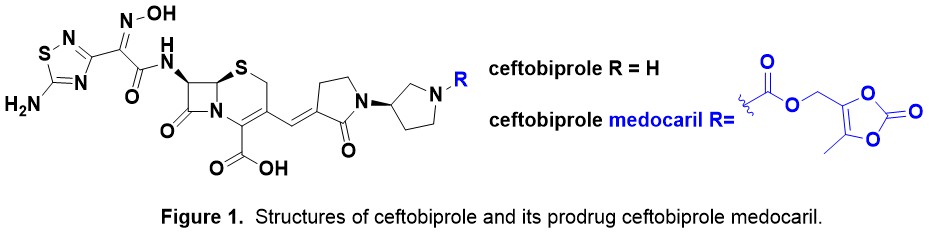
Background. Ceftobiprole medocaril (Zevtera®) has recently been in the news as Basilea Pharmaceutica was granted approval for Zevtera® by US FDA on April 2024 for treatment of adult patients with (1) methicillin-susceptible and methicillin-resistant Staphylococcus aureus (MSSA and MRSA) bacteraemia, including right-sided infective endocarditis, (2) acute bacterial skin and skin structure infections (ABSSSI) and (3) community acquired bacterial pneumonia (CABP). The structure of ceftobiprole (BAL 9141, Ro 63-9141) was first disclosed in a 1999 patent from Hoffmann La Roche and its prodrug ceftobiprole medocaril in 2001 (Fig. 1). Ceftobiprole has in vitro antimicrobial activity against a broad range of Gram-positive and Gram-negative pathogens. Notably this includes MRSA which is highly unusual for a cephalosporin. Ceftobiprole has a much higher affinity for PBP-2a than first, second, third and fourth generation cephalosporins.

Persistence Pays Off in the End. The development of Zevtera® has been a long time coming, with a number of clinical development roadblocks encountered along the way. Pivotal trials for complicated skin and skin structure infections (cSSSI), CABP, hospital-acquired bacterial pneumonia (HABP) and ventilator-associated bacterial pneumonia (VABP) were conducted at more than 150 sites from 2005 to 2007 in a collaboration between Basilea and J&J. Neither FDA nor EMA approval was granted at that time because of regulatory concerns related to clinical trial conduct at some trial sites. This led to a lawsuit against J&J, with a Dutch court eventually awarding Basilea $130 million for breach of the licence agreement. As a result, Basilea took total control of subsequent clinical trials – an ABSSSI trial was repeated and a landmark trial of ceftobiprole for complicated S. aureus bloodstream infections. It is these trials that led to the recent US FDA approval. Zevtera® has been previously approved in Canada and 14 European countries from 2013 with future expansion plans.

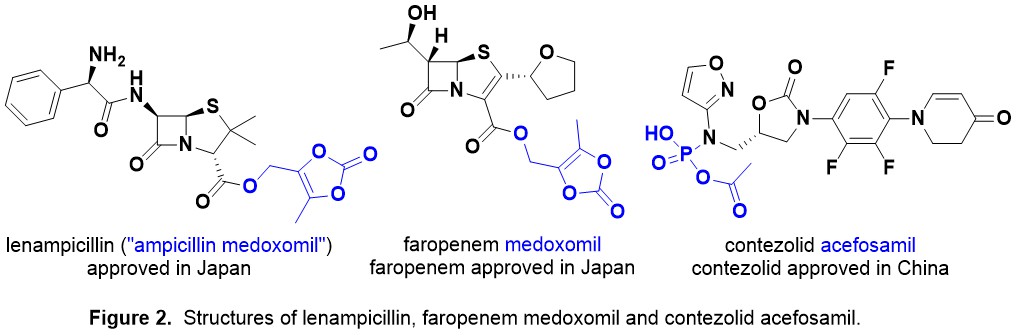
Medocaril/Medoxomil Antibiotic Prodrugs. Zevtera® is administered intravenously (IV) as the prodrug as ceftobiprole has low water solubility at physiological pH. Ceftobiprole medocaril is rapidly hydrolysed by plasma esterases and transported around the body. The related medoxomil prodrug moiety is present in lenampicillin and faropenem medoxomil (Fig. 2). This prodrug strategy is subtly different to using a prodrug to enhance oral dosing (e.g. contezolid acefosamil, Fig. 2).

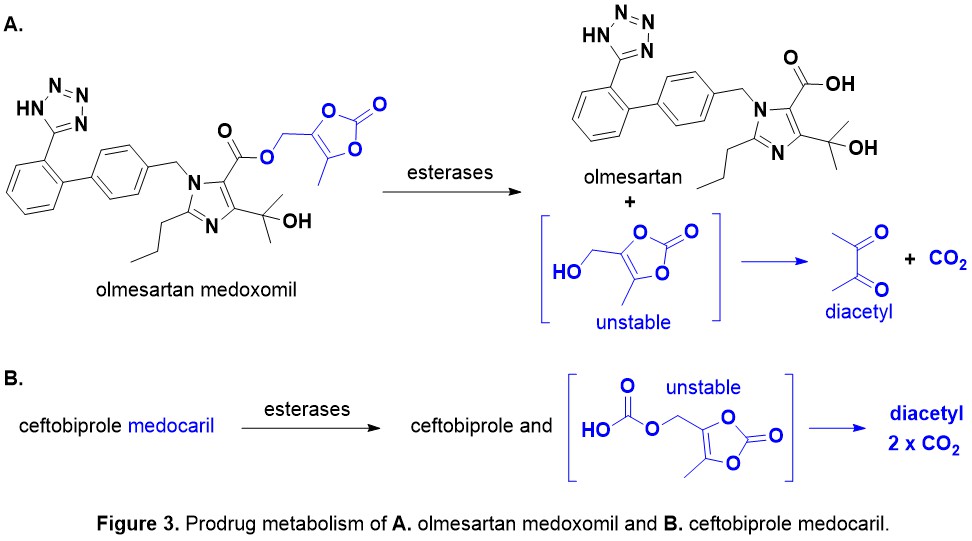
The carbamate containing medocaril and carbonate containing medoxomil prodrugs metabolise to give the drug, diacetyl (food flavour!) and carbon dioxide (CO2) – see a metabolism study for olmesartan medoxomil, which is an angiotensin II type 1 receptor antagonist used for antihypertension (Fig. 3). Bioactivation of this type of prodrug is due to esterase enzymes such as carboxylesterases, cholinesterases, and paraoxonases, which are widely distributed in biological fluids and tissues found throughout the body.

More environmentally friendly alkaloid extraction methods

Background: I started my natural products journey looking at marine sponge chemistry. The sponges were stored in individual containers in an ethanol (EtOH) solution in a freezer or frozen sponge material was extracted freshly with EtOH. Nearly always there was a limited supply of material and care was taken to keep the temperature as low as possible as compounds were often unstable. After several compounds I was working on underwent relatively rapid degradation, subsequently isolated compounds were stored at -70 °C in vials or flasks wrapped in aluminium foil under argon as an oil/solid or in solution! Moving forward several years, I also started working on plants and became very interested in alkaloids. I couldn’t believe what I read – extract ground plant material at room temperature with chloroform (CHCl3), add 1M hydrochloric acid (HCl) and remove the organic layer. Then basify the aqueous layer using 1M NH4OH (on ice), partition with CHCl3 and remove the CHCl3 using rotary evaporation to give enriched alkaloids. Definitely more cavalier compared to my previous experiences with marine natural products.

The study: This recent paper in the Journal of Natural Products caught my attention: “Toward a More Sustainable Sample Preparation in Phytochemistry: Case Studies in Four Subclasses of Alkaloids”. This article details a study that evaluated sustainable extraction and purification methods for alkaloids. As described in the first paragraph, alkaloid enrichment usually uses potentially hazardous chemicals (inhalation, skin contact, environmental if improperly disposed of) such as HCl and dichloromethane (CH2Cl2)/CHCl3. Also, these chlorinated solvents can sometimes react with alkaloids.

This study evaluated the extraction of four alkaloids (harmine, boldine, vincamine and mescaline) using less toxic alternatives. It was found that citric acid, which is used as a preservative in food and pharmaceutical formulations, could replace HCl without loss of extraction efficiency. Also, ethyl acetate (EtOAc) could replace CH2Cl2 in three out of four cases without harming extraction efficiency. Alternative solvents such as tert-amyl methyl ether (TAME), n-butyl acetate (BuOAc) and anisole also showed potential.

Take home message: Consider using more environmentally friendly acids and solvents if performing alkaloid enrichment studies. This is especially relevant for processes undertaken multiple times like re-isolation or generation of extract libraries.

Tetracycline has left its (fluorescent) mark on the world

Evidence of tetracycline containing fermentations in northern Africa around 1,500 years ago.

This is some older research published in 2010 (available here) that I recently read, which I wanted to share.

Some bones excavated from northern Africa (modern day Egypt and Sudan) burials have bright yellow-green fluorescent bands (λ 490 nm), which was similar to those observed in people treated with first generation tetracycline antibiotics. When first found, fluorescent bands were conjectured to have formed post death or through infection. More on the history of tetracycline (ancient uses and its rediscovery) can be found in this lecture text (available here).

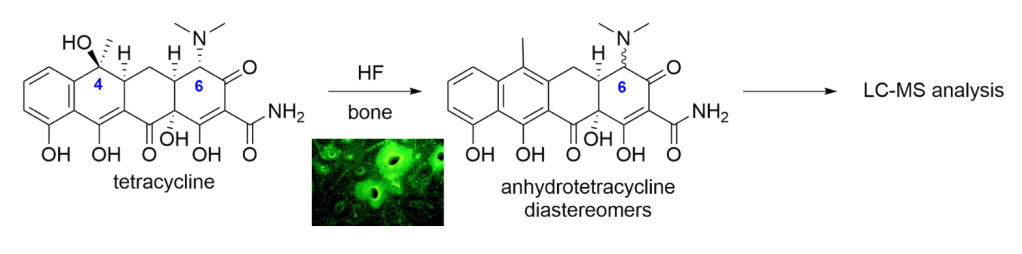
Bones from a four-year-old Nubian child buried around 1,500 years ago were demineralised with hydrofluoric acid (HF) to release the fluorescent compound(s) (available here). HPLC-MS analysis showed two closely eluting peaks with a m/z of 427.1 Da. Authentic standards were derived from HF treatment of tetracycline, oxytetracycline and chlortetracycline, which resulted in aromatisation of the B ring and racemisation of the A ring N-dimethyl group at C6 (see Figure 1). These diastereomers could be separated by HPLC-MS and it was shown that the bone-derived fluorescent compounds had the same retention times and MS as the acid treated products from tetracycline. This study provided unequivocal evidence that the Nubians had access to a tetracycline producing Actinomycetes, which they presumably used for medical purposes (treatment and/or prophylactic). Tetracycline antibiotics were not used in modern medicine until their re-discovery in the 1950s. Since then, several semi-synthetic and synthetic tetracycline drugs have been approved and are used to treat a variety of infections.

Figure 1. Bone was treated with HF, which liberated anhydrotetracycline diastereomers that were analysed by LC-MS and an authentic standard. The bone picture used was sourced from “Ancient brew masters tapped drug secrets”, Emory University 2010 (available here).

Some thoughts: It is fascinating that tetracycline fermentation broths were used at least 1,500 years ago. We don’t know what happened, but I hope that some of these people weren’t some of the first to be infected with drug-resistant bacteria. Although some traditional fermentation knowledge has survived (e.g. alcohol production and Chinese red yeast rice), I wonder if other crude antibiotics were used by the Nubians or other peoples, but no traces were left (or have been discovered yet). It was hypothesised that tetracycline-containing broths were drunk. However, the tetracycline production levels must have been quite high to leave multiple fluorescent bone staining bands. Perhaps concentration steps could have used such as cloth filtration and/or evaporation. Actinomycetes can also grow on solid media and there is a possibility that a grain could have been used in an analogous way to red yeast rice.

Zosurabalpin — a new class of Acinetobacter targeting antibiotic

The discovery, antibacterial profile, and mode of action (MoA) of zosurabalpin, which belongs to a new antibacterial class called ‘tethered macrocyclic peptides’ (MCPs), was recently disclosed in two Nature papers (here and here, as well as a commentary). Zosurabalpin is currently being evaluated in a phase 1 trial by Roche for the treatment of carbapenem-resistant Acinetobacter baumannii (CRAB) infections. A. baumannii is classed a Priority Pathogen by the WHO and these infections, while being relatively rare at this moment in time, have high mortality and morbidity. These two papers are very detailed and this blog highlights only some of the work undertaken!

Hit Discovery: Whole-cell phenotypic screening of a 44,985 member MCP library identified a cluster of active MCPs. One of these hits, RO7036668, displayed selective activity against A. baumannii, but no cytotoxicity (promising).

Hit to lead to clinical candidate: Iterations of medicinal chemistry and testing led to the identification of MCPs such as RO7075573 with more potent in vitro and in vivo mouse model activity against A. baumannii; however, it was observed during pre-clinical toxicology studies that RO7075573 caused aggregation of low-density lipoprotein/high-density lipoprotein vesicles in rat plasma through an unknown mechanism. Using an in-house developed rat plasma precipitation assay, the team showed that zwitterionic (definition) tethered MCPs had significantly reduced plasma precipitation and zosurabalpin was ultimately selected for development. It had been previously shown that zwitterionic compounds can have enhanced Gram-negative bacterial membrane transport — see O’Shea & Moser and Muñoz & Hergenrother for discussions on bacterial entry.

Mode of action (MoA): Sequencing of resistant mutants suggested that the zosurabalpin’s target was likely to be the protein complex LptB2FGC, which is an ATP-binding cassette used by Gram-negative bacteria to move lipopolysaccharide (LPS) from their inner membrane to the outer layer of the outer membrane. It was shown that MCPs helped to trap LPS in the protein complex by several orthogonal methods including Cryo-EM.

Did you know that A. baumannii can survive without LPS in its outer membrane? Amazingly it can! It was shown that MCPs failed to inhibit the growth of LPS-deficient A. baumannii, which supported the proposed MoA. The LPS-deficient phenotype can be produced in response to polymyxin treatment, but there is a significant fitness cost, as well as increased susceptibility to other antibiotics and disinfectants.

Looking forward: Zosurabalpin has only just started its clinical development (safety and dosing). Although the total number of A. baumannii infections is (mercifully) relatively low, perhaps a multi-site, multi-country clinical strategy could be used in phase 3, similar to the trial successfully completed for the β-lactam and β-lactamase inhibitor combination sulbactam-durlobactam. Although it could be theoretically possible to undertake an Acinetobacter specific trial using rapid diagnostics, the frequency of polymicrobial infections in clinical settings could lead to the need for the development of combination therapies with other antibiotics with activity against other pathogens such as Pseudomonas, Klebsiella and E. coli, may be even MRSA. It will be interesting to what directions are taken.

Concluding remarks: The discovery and development of zosurabalpin and the unravelling of its clinically unexploited MoA is very impressive. Importantly, the team also included how they overcame development hurdles, which is very valuable information for antibacterial drug discoverers. Recent successful clinical trials have shown that it is possible to run multi-site, multi-country trials for these deadly Gram-negative infections and the approval of a novel class of antibiotics to treat CRAB infections will be welcomed by clinicians. Now the world needs to make sure that adequate funding is available for these types of phase 3 trials, as well as ensure that incentives such as the Pasteur Act or similar pull incentives are introduced as soon as possible. Otherwise, novel antibiotics with life saving potential may not make it to patients. Remember, paraphrasing Mike Tyson “Everyone has a plan until they get punched in the mouth a drug-resistant Gram-negative infection.”